Rehab for Alcohol in North Carolina

Alcohol can slowly seep into every corner of a person’s life—damaging relationships, physical health, mental wellbeing, and the sense of self. But recovery is possible, and it starts with the right environment, the right tools, and the right team behind you.

At Southeastern Recovery Center, we offer more than just treatment. We offer transformation. Our holistic alcohol rehab program provides personalized, evidence-based, and whole-person care for people in need of healing. We’re proud to serve individuals across the state looking for compassionate, clinically sound alcohol rehab in North Carolina.

Supportive
0 %
Treatment Modalities
0
Levels Of Care
0

Table of Contents

Full Color Logo No Text

What is Alcohol Use Disorder?

Alcohol Use Disorder (AUD) is more than “drinking too much”—it’s a chronic brain condition that affects decision-making, behavior, and physical health. According to the National Institute on Alcohol Abuse and Alcoholism (NIAAA), 29.5 million people in the United States aged 12 and older struggled with AUD in 2021.

In North Carolina, alcohol abuse has reached alarming levels. The North Carolina Department of Health and Human Services reports that more than 6,300 deaths in 2021 were linked to excessive alcohol use. Meanwhile, binge drinking continues to affect more than 18% of the state’s adult population. Even among adolescents, the problem is growing—about one in four North Carolina high schoolers admit to drinking alcohol in the past month.

These statistics speak to a wider issue: alcohol misuse has become normalized in many social and professional settings. But when it starts interfering with your daily life, it’s no longer “normal.” That’s where rehab for alcohol comes in.

alcohol use disorder in north carolina stats
Full Color Logo No Text

Why is Alcohol So Addictive?

Part of the reason that alcohol is so addictive is because its consumption is so normalized. From a day drinking the happy hour to birthday parties and nights at bars, it’s almost a social handicap not to drink. This is also why consideration for personal environment plays a big part in understanding and combating alcohol addiction.

When an individual drinks alcohol, their inhibitions are lowered and they feel a light buzz in their body while dopamine receptors fire in their brain. These bodily reactions can lead an individual to constantly seek out alcohol as a way to combat anxiety or to temporarily boost your mood.

This is when alcohol consumption can lead to a dependence on addiction to its effects. Additionally, as the body grows used to having alcohol present, your brain will alter how it produces chemicals to adjust for this constant presence. Once an individual has reached the stage, attempting to quit alcohol will result in withdrawal symptoms, which also make it harder for them to stay clean.

How Bad Is the Alcohol and Addiction Crisis in Charlotte and Mecklenburg County, NC?

The alcohol and addiction crisis in Charlotte and Mecklenburg County reflects a serious and growing public health emergency, with North Carolina ranking last in the nation for access to quality addiction treatment in 2024. The statistics below, drawn from state and federal health agencies, reveal the scale of the problem and the significant gaps in treatment access that continue to leave most who need help without it.

StatisticData
Adults in NC estimated to have Alcohol Use Disorder9.61% (approximately 1 in 10 NC adults)
Adults in Mecklenburg County estimated with AUD7.19% to 8.36%
NC alcohol-related deaths per year (2023)Over 5,800 (2,029 immediate; 3,799 long-term)
NC alcohol-related emergency department visits (2023)66,000 and above
NC economic cost of alcohol misuse (2023)Approximately $15 billion
Adults in NC who drank alcohol in the past month45.27% (approximately 4.1 million adults)
Adults in NC classified as heavy drinkersApproximately 445,000 (1 in 10)
Drug and alcohol overdose deaths in Mecklenburg County (2021 to 2022)Up 22% year over year
Rise in overdose deaths among Black and Hispanic Mecklenburg residents since 2019Up 200% (vs. 14% for White residents)
Adults in NC who needed treatment but did not receive it77.26% treatment gap
NC adults citing cost as a barrier to addiction treatment44.8%
NC rank for access to quality addiction treatment (2024)Last in the nation
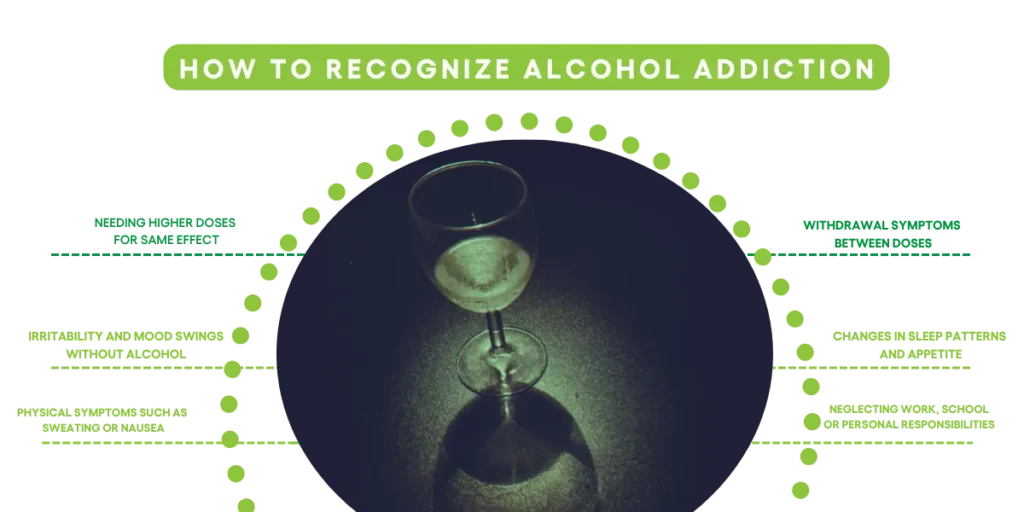
How to Recognize Alcohol Addiction

Why is Alcohol Consumption a Concern in North Carolina?

The fact that alcohol consumption is so normalized across the state of North Carolina means that some of the alarming statistics either go ignored or downplayed.

Let’s look at alcohol consumption on a local level:

  • Approximately 4.1 million adults in North Carolina drink alcohol, which is equivalent to almost one in every two adults. Additionally, of those who drink, 25% are binge drinking and 10% are drinking heavily.
  • Additionally, about 108,000 high school students in North Carolina drink alcohol, which is about 20%. Half of these students are binge drinking.
  • In 2023, 5828 people in North Carolina died from alcohol attributable deaths.


Alcohol consumption in Charlotte and across North Carolina is so normalized that individuals may not believe they have a dependence or addiction until it’s too late.

How to Recognize an Alcohol Addiction

If you want to look out for signs of alcohol addiction, here are some common tells:

  • Consuming more alcohol then initially planned
  • Inability to stop alcohol consumption
  • Developing a tolerance to alcohol and needing to consume more to feel its effects
  • Experiencing withdrawal symptoms such as nausea and shaking when trying to stop alcohol consumption

It can be difficult for someone to try to rehab for alcohol at home if their environment isn’t safe and encouraging. This is why it’s advantageous to visit a rehab facility like Southeastern Recovery Center to ensure you’re receiving 24/7 support and medical guidance from individuals who are prioritizing your comfort and safety.

Does Alcohol Rehab and Treatment for AUD Actually Work? What the Research Shows

Research consistently shows that professional treatment for Alcohol Use Disorder significantly improves outcomes, with people who seek help being twice as likely to recover compared to those who go without. The data below, drawn from the NIH, NIAAA, SAMHSA, and other leading research bodies, highlight recovery rates, treatment effectiveness, and the critical importance of medically supervised care. Despite this evidence, only 7.5% of U.S. adults with AUD received treatment in 2023, underscoring how far access still lags behind need.

Research FindingData
People with AUD who receive professional treatment vs. no treatmentTwice as likely to recover (NIH)
Overall AUD recovery rate3 out of 4 people with AUD eventually recover (NIAAA)
Abstinence rate at 1 year for residential alcohol rehab40% to 60%
Abstinence rate at 6 months for outpatient or IOP alcohol treatment50% to 60%
CBT for AUD: abstinence rate at 1 year60% to 70%
Naltrexone or acamprosate (MAT): relapse risk reduction vs. placeboUp to 36% reduction
Combined medication and therapy: reduction in drinking daysUp to 70%
12-step facilitation (Project MATCH): sobriety at 3-year follow-up49% of participants
Alcohol withdrawal seizure risk without medical supervision5% to 10% of cases
Delirium tremens fatality rate without medical treatment15% to 37%
Delirium tremens fatality rate with medically supervised detoxUnder 1%
U.S. adults with AUD who received treatment in 2023Only 7.5% (approximately 2.0 million of 27.9 million)

Sources: NIAAA Alcohol Facts and Statistics (2024): https://www.niaaa.nih.gov/alcohols-effects-health/alcohol-topics-z/alcohol-facts-and-statistics/alcohol-treatment-united-states | SAMHSA 2024 National NSDUH Report: https://www.samhsa.gov/data/sites/default/files/reports/rpt56287/2024-nsduh-annual-national-report.pdf | NIH National Library of Medicine: https://pmc.ncbi.nlm.nih.gov/ | Project MATCH Research Group: available via PubMed

How does Alcohol Addiction Start?

Alcohol addiction starts when an individual’s first drink. This can happen when they turn 21, when it’s almost seen as a social right of passage to go for a drink. Otherwise, it can happen while they’re underage, where even teenagers getting their hands on alcohol has become part of acceptably unacceptable behavior.

The more social opportunities an individual is presented with the drink, the more likely they are to grow hooked on the effects of alcohol in their body. They may find themselves consistently peer pressured into drinking more than they originally planned as social outings. Then, drinking more than planned may become their norm rather than a one off event.

The social environment in North Carolina and across the United States is so geared towards promoting alcohol consumption that an individual may not notice that they develop dependence when addicted to alcohol.

Rehab For Alcohol In North Carolina

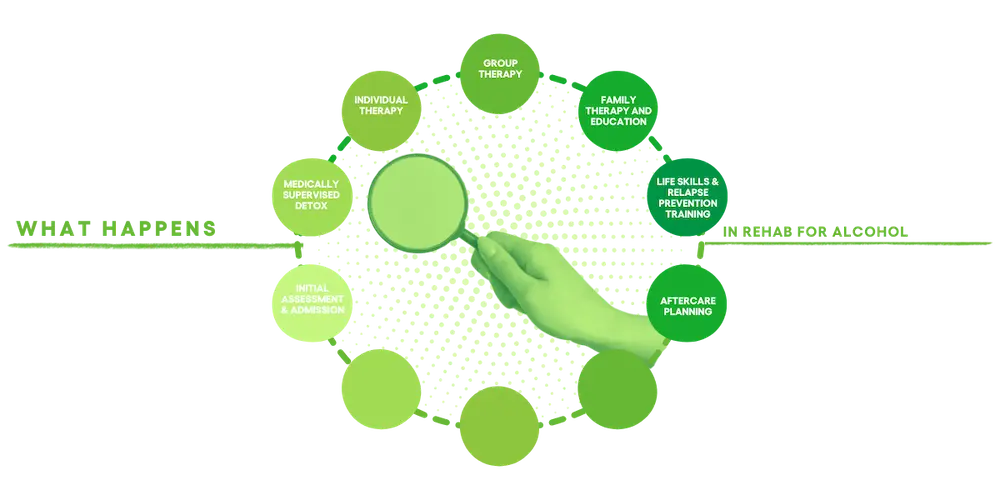
What Happens in Alcohol Rehab in North Carolina?

Southeastern Recovery Center provides a structured, supportive, and customized treatment process, serving all North Carolina residents from Greensboro, Raleigh, Charlotte, and more. As a rehab center in NC, we believe it’s our responsibility to meet your specific needs, regardless of specific location or other perceived limitations. Here’s what the process typically looks like:

Initial Assessment & Admission

Every client starts with a comprehensive intake assessment. We gather details about your drinking history, physical health, co-occurring mental health issues, and personal goals. This helps us develop a treatment plan tailored specifically to you.

Medically Supervised Detox

For those who need it, detox is the first clinical step. Alcohol withdrawal can be dangerous, which is why we offer 24/7 monitoring and medication-assisted treatment to manage symptoms and keep you comfortable and safe.

Individual Therapy

One-on-one counseling provides a private space to explore the underlying emotional triggers and patterns that fuel alcohol use. Techniques like Cognitive Behavioral Therapy (CBT), Dialectical Behavior Therapy (DBT), and trauma-informed care help you process past experiences and build healthier coping skills.

Group Therapy

Healing in community is powerful. Our group sessions offer support from peers who understand what you’re going through. These sessions cover relapse prevention, emotional regulation, communication skills, and shared life experiences.

Family Therapy and Education

Addiction affects more than just the individual. We offer family counseling to help repair relationships, set boundaries, and teach family members how to be supportive without enabling. Family involvement improves long-term recovery outcomes.

Life Skills & Relapse Prevention Training

Recovery requires more than sobriety—it requires new habits and tools. We provide workshops on stress management, emotional regulation, time management, job readiness, and relapse prevention strategies.

Aftercare Planning

Before discharge, we work with you to create a detailed aftercare plan. This might include outpatient therapy, 12-step or peer support groups, sober living, or participation in our alumni community. Recovery doesn’t stop when rehab ends—we’re here for the long haul.

Rehab for Alcohol in North Carolina

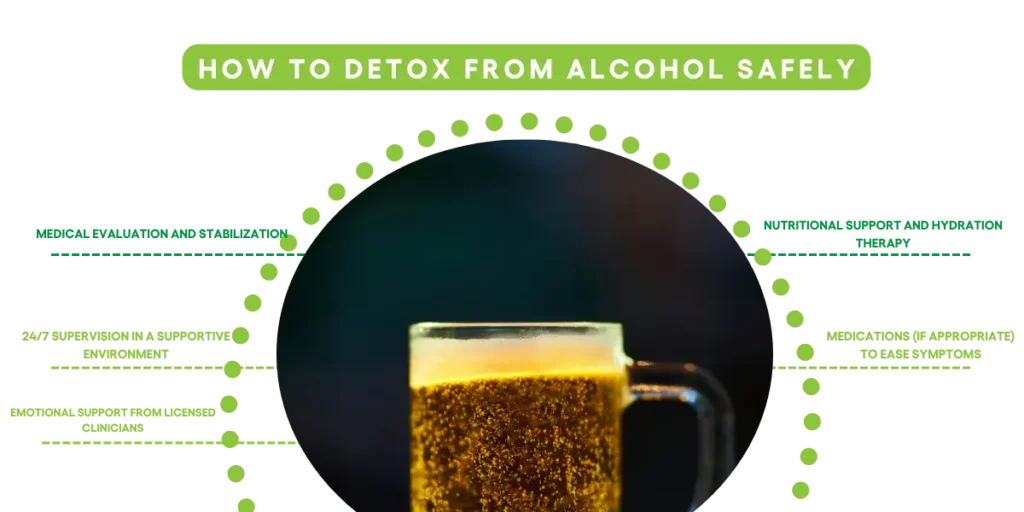
How Long Does Alcohol Withdrawal Last?

Alcohol withdrawal symptoms typically begin within six to 24 hours after your last consumption, and tend to last for 24 to 72 hours. In some cases it can last up to weeks. Symptoms include:

  • Nausea
  • Insomnia
  • Sweating
  • Tremors
  • Vomiting


These symptoms tend to be at their worst from 24 to 72 hours after your last drink. This is also when the risk of a seizure is at its highest. This is why individuals are best off not trying to detox from alcohol at home, but rather seeking help from medical professionals.

At Southeastern Recovery Center, our patients receive 24/7 medical care while they experience the detox symptoms while attending rehab for alcohol. Medically-assisted detox is available as well. Our patients also receive:

What Are the Alcohol Use Disorder Rates and Treatment Gaps in North Carolina and the United States?

Alcohol Use Disorder affects nearly 28 million Americans and approximately 1 in 10 adults in North Carolina, yet the vast majority never receive treatment. The statistics below draw from SAMHSA, the NIH, and NC state health data to illustrate the scope of the crisis at both the national and state level. With a 77.26% treatment gap in North Carolina and over $15 billion in annual economic costs, the data make clear that access to care remains one of the most pressing barriers to addressing this public health crisis.

StatisticData
Americans ages 12 and older with Alcohol Use Disorder (2023)27.9 million (9.7% of the U.S. population 12+)
Of those 27.9 million, received AUD treatment (2023)Approximately 2.0 million (7.5%)
People with AUD going untreated annually in the U.S.Approximately 25.9 million (92.5%)
Probability of AUD recovery with treatment vs. withoutTwice as likely to recover with professional treatment (NIH)
Overall AUD recovery rate3 out of 4 people with AUD eventually recover
Adults in NC with Alcohol Use Disorder9.61% (approximately 1 in 10 NC adults)
Adults in NC who drink alcohol past month45.27% (approximately 4.1 million adults)
Adults in NC who binge drink past month20.80%
NC alcohol-related deaths (2023)Over 5,800 (2,029 immediate; 3,799 long-term)
NC alcohol-related emergency department visits (2023)66,000 and above
NC economic cost of alcohol use (2023)Approximately $15 billion
High school students in NC who drink alcoholApproximately 108,000 (about 1 in 5)
NC residents who need alcohol treatment but do not receive it77.26% treatment gap
path to alcohol recovery southeastern in charlotte nc

How to Prevent Relapse After Alcohol Recovery

Recovery doesn’t end when treatment does, maintaining sobriety requires ongoing support and structure.

Our relapse prevention planning helps clients in Charlotte and across North Carolina stay grounded through:

  • Continued therapy and support groups
  • Identifying and managing personal triggers
  • Developing healthy coping strategies
  • Building new daily routines and social connections to avoid alcohol temptations
  • Access to community-based resources and alumni networks

Relapse is not failure, it’s a signal that additional support may be needed. With the right guidance, long-term recovery from alcohol addiction is absolutely achievable.

Full Color Logo No Text

Frequently Asked Questions About Alcohol Rehab

How do I know if I need alcohol rehab?

If alcohol is interfering with your relationships, job, health, or sense of control—and especially if you’ve tried to stop and can’t—it’s time to seek help.

Yes. We offer medically supervised detox to ensure a safe and supported withdrawal process before therapy begins.

Holistic rehab goes beyond basic treatment. It incorporates physical, emotional, and spiritual care, including therapy, nutrition, mindfulness, movement, and creative outlets.

Yes. We are fully licensed by the state of North Carolina and follow rigorous standards for safety and effectiveness.

In many cases, yes. Our Intensive Outpatient Program (IOP) allows clients to continue work or school while attending therapy several times a week.

We’ll help you build an aftercare plan that may include therapy, 12-step or peer support groups, sober housing, and alumni resources.

Yes. We offer a safe, inclusive, and affirming environment for individuals of all identities and backgrounds.

Relapse doesn’t mean failure—it means more support is needed. We welcome clients who’ve tried before and are ready to try again with deeper tools and new strategies.

Yes. We accept most major insurance providers and offer free insurance verification when you contact our admissions team.

Yes, alcohol withdrawal can be medically serious and in some cases life-threatening. Unlike withdrawal from many other substances, alcohol withdrawal carries the risk of severe complications including seizures, delirium tremens (DTs), and dangerous spikes in blood pressure. This is why attempting to quit alcohol cold turkey on your own is strongly discouraged without medical supervision.

Medical detox is the appropriate first step for anyone with a physical dependence on alcohol. It ensures withdrawal is managed safely by clinical professionals, significantly reduces discomfort, and prepares you for the structured treatment work ahead. At Southeastern Recovery Center, we coordinate directly with trusted detox partners to make sure every client is medically stable before beginning our PHP or IOP programs. You will never be expected to show up to treatment still in active withdrawal.

There are three FDA-approved medications specifically designed to treat alcohol use disorder (AUD), and each works differently depending on the individual’s needs and medical history:

  • Naltrexone: Reduces cravings and blunts the rewarding effects of alcohol, making it less appealing to drink
  • Acamprosate: Helps restore the brain’s chemical balance disrupted by long-term alcohol use, reducing anxiety and discomfort during early sobriety
  • Disulfiram: Creates an unpleasant physical reaction when alcohol is consumed, serving as a strong deterrent to drinking

These medications are not a standalone solution. They are most effective when combined with evidence-based therapy, which is exactly how we use them at Southeastern Recovery Center. Our clinical team will assess whether MAT is appropriate for you during intake. Medication-assisted treatment for alcohol is optional, and all decisions are made collaboratively between you and your care team.

Both alcohol rehab and Alcoholics Anonymous (AA) can be powerful paths to recovery, and for many people they work best together rather than as competing options. AA is a free, peer-led community built around the 12-step program, and its Big Book is clear that the 12 steps are designed to address the spiritual and behavioral dimensions of alcoholism. For many people, AA is exactly what gets and keeps them sober.

Where clinical rehab fills a different and important role is in addressing what may surface once the drinking stops. The Big Book itself acknowledges that there are outside issues, physical ailments, mental health conditions, and other challenges, that fall outside the scope of what AA is designed to solve. For those things, it points members toward specialists in the appropriate fields. That is precisely where structured rehab comes in.

At Southeastern Recovery Center, we work alongside whatever recovery path you are already on or considering. If trauma, depression, anxiety, or other co-occurring conditions are part of your story, our clinical team is here to address those specifically so they do not become the reason sobriety does not stick. There is no single road to recovery. Our job is to make sure you have the right support for every part of the journey, not just one piece of it.

Yes, and treating them together is not just possible, it is essential. Research consistently shows that a large percentage of people struggling with alcohol use disorder also live with a co-occurring mental health condition such as depression, anxiety, PTSD, or trauma. In many cases, alcohol use begins as a way of self-medicating symptoms that were never properly treated.

Our program at Southeastern Recovery Center is dual diagnosis enhanced, meaning we are specifically equipped to treat both the alcohol addiction and the underlying mental health condition at the same time through integrated care. This includes trauma-focused group and individual therapy, CBT, psychotherapy, and MAT where appropriate. Treating only the alcohol use without addressing the co-occurring condition significantly increases the risk of relapse. We treat the full picture, not just the drinking.

The length of alcohol rehab depends on the severity of the addiction, any co-occurring conditions, and the level of care you enter. There is no universal timeline, and any program that gives you the same answer for every client is not providing truly individualized care. That said, here is a general framework:

  • Medical detox: Typically 5 to 10 days depending on the severity of physical dependence
  • PHP (Partial Hospitalization Program): Typically 30 to 45 days of structured, near full-day programming
  • IOP (Intensive Outpatient Program): Typically 6 to 12 weeks, 3 to 5 days per week
  • Standard outpatient and aftercare: Ongoing, often 6 to 12 months or longer

At Southeastern Recovery Center, your treatment length is determined by your clinical progress, not by a predetermined calendar. Our goal is long-term sobriety, not a short-term fix. We structure care around what you actually need, and our aftercare and alumni program ensures you have support well beyond your final session.

Relapse does not mean failure, and it does not disqualify you from treatment. The National Institute on Drug Abuse recognizes addiction as a chronic condition with relapse rates comparable to other chronic diseases like hypertension and diabetes. Relapse is a clinical event, not a moral failure, and returning to treatment after a relapse is one of the most courageous things a person can do.

At Southeastern Recovery Center, we treat clients who have been through treatment before with the same level of compassion and clinical rigor as those coming for the first time. In fact, previous treatment experiences help us build a more targeted and informed plan for you. We will examine what worked, what did not, and what needs to be different this time, whether that means a deeper focus on trauma, a different level of care, or adding MAT to the equation. Your history does not limit your future here.

Yes, and family involvement can be one of the most significant factors in long-term recovery. Alcohol use disorder does not only affect the person drinking. It reshapes family dynamics, erodes trust, and often leaves loved ones carrying their own trauma, confusion, and emotional exhaustion. Healing those relationships is an important part of lasting sobriety.

At Southeastern Recovery Center, family support is built into our treatment approach. We offer family therapy and education as part of the recovery process, helping loved ones understand the disease of addiction, recognize enabling patterns, rebuild communication, and learn how to support recovery in a healthy and sustainable way. You do not have to navigate this as a family alone, and neither does your loved one.

The right level of care is determined by a clinical assessment, not a self-diagnosis. Factors that influence the recommendation include the severity of your alcohol use, whether you are physically dependent, the presence of any co-occurring mental health conditions, your living situation, your work or family obligations, and any previous treatment history.

At Southeastern Recovery Center, every client begins with a thorough intake assessment conducted by a licensed clinician. Based on that evaluation, we will recommend the most appropriate starting point, whether that is a referral to medical detox, entry into our PHP program, or enrollment in IOP. We partner with trusted detox and inpatient facilities in the area so that clients who need a higher level of care first are never left without a clear path forward. From there, we walk alongside you through every step of the continuum.

We're Here For You!

If you or a loved are struggling with alcohol addiction, please reach out to our team today. Many treatment centers take a one-size-fits-all approach when treating addiction which isn't effective...At SERC, we understand that each client has their own story which led them to seeking help. We put emphasis on individualized care, tailoring treatment based on the specific needs of each client.

1
Step One

Reach Out For Help! ⮕

Southeast (2) [Recovered]-07 2
Request A Confidential Call

Click the button below to fill out our brief form. 

2
Step Two

Create A Recovery Plan! ⮕

Southeast (2) [Recovered]-07 2
Create A Plan

Our team will work with you or a loved one to create a treatment plan

3
Step Three

Begin The Healing Process! ⮕

Southeast (2) [Recovered]-07 2
Begin Your Recovery

Your Journey Begins The Moment You Reach Our Facility

rehab for alcohol in charlotte, nc

Why Choose Southeastern Recovery Center for Alcohol Rehab

Southeastern Recovery Center’s holistic alcohol rehab program is grounded in the belief that treating alcohol addiction isn’t just about stopping the behavior—it’s about healing the whole person. Many people drink to escape emotional pain, numb trauma, or manage stress. Our integrated approach addresses every layer of healing: physical, emotional, mental, and spiritual.

Here’s what our holistic care includes—and why it matters:

  • Mindfulness & Meditation – Learning to sit with discomfort rather than avoid it is a key recovery skill. Through daily mindfulness and meditation practices, clients develop emotional awareness, improve focus, and reduce cravings.
  • Yoga & Movement Therapy – Movement helps regulate the nervous system and process trauma held in the body. Our yoga sessions and somatic exercises help clients release stress, build strength, and reconnect with themselves.
  • Nutritional Support – Alcohol depletes essential nutrients and harms digestion. We offer nutritional education and balanced meals to rebuild physical health, increase energy, and support brain recovery.
  • Creative Expression (Art & Music Therapy) –  Not everything can be said in words. Our creative therapies offer clients the opportunity to explore emotions, process trauma, and build self-expression through painting, journaling, music, and more.
  • Spiritual Reflection –  For those seeking meaning or connection beyond themselves, we offer optional spiritual support and space for reflection. We respect all belief systems and provide non-denominational guidance if requested.
  • Nature & Outdoor Therapy –  Time spent outdoors can be incredibly healing. Walks in nature, fresh air, and mindful movement outdoors help regulate mood, reduce anxiety, and promote clarity.


Each holistic service we offer is backed by research and integrated into our clinical programming to reinforce your recovery goals. Whether you’re rebuilding after trauma, managing anxiety, or learning to be present again, our holistic rehab approach supports healing on every level.

South East Recovery eBook Cover

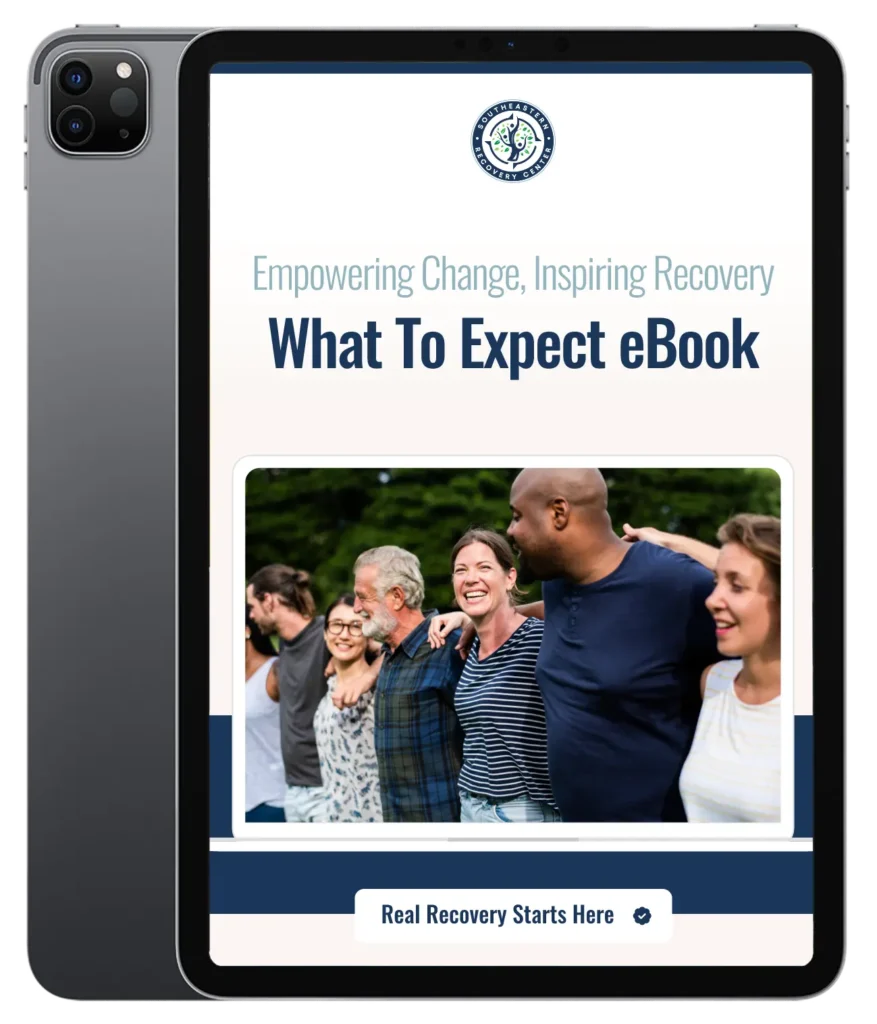
What To Expect eBook

South East Recovery eBook Cover

Download Our Free eBook!

If you or a loved one are interested in learning more about what to expect when getting help for drug or alcohol addiction, please fill out our brief form and download the eBook. You can also give our admissions team a call & we would be happy to answer any questions you may have. Help is only a call away!

How to Choose the Right Alcohol Rehab Center in Charlotte

Finding the right treatment center for alcohol addiction in Charlotte, NC, or elsewhere in North Carolina, can feel overwhelming. Here are key factors to look for:

  • Accreditation from CARF or The Joint Commission
  • Medical detox availability
  • Licensed therapists and addiction specialists
  • Experience with alcohol addiction
  • Individualized treatment plans
  • Aftercare and long-term support

At Southeastern Recovery Center, we meet all of these criteria and more. Our focus on integrity, compassion, and clinical excellence has made us one of North Carolina’s most trusted recovery providers.

Alcohol and Mental Health Creates a Co-Occurring Link

The connection between alcohol abuse and mental health disorders is well established. Many people drink to manage anxiety, depression, or trauma—sometimes without even realizing it. Unfortunately, alcohol only worsens these conditions over time.

Our rehab program is specifically designed to address co-occurring disorders, also known as dual diagnosis. We screen every client for underlying mental health issues and ensure that both addiction and mental health are treated together, not in isolation.

This approach allows us to help clients build better emotional regulation skills, identify their true triggers, and develop personalized strategies that reduce the risk of relapse.

rehab for alcohol in charlotte,nc

Begin Your Recovery with Southeastern Recovery Center

You don’t have to keep living under the weight of alcohol addiction. At Southeastern Recovery Center, we believe that recovery is possible for everyone—and that includes you. Whether this is your first time seeking help or you’ve tried before, we offer a fresh start with compassionate, evidence-based care.

Our alcohol rehab in North Carolina is rooted in the belief that healing requires more than willpower—it requires a community, a plan, and a personalized path forward. Let us help you take the first step today.